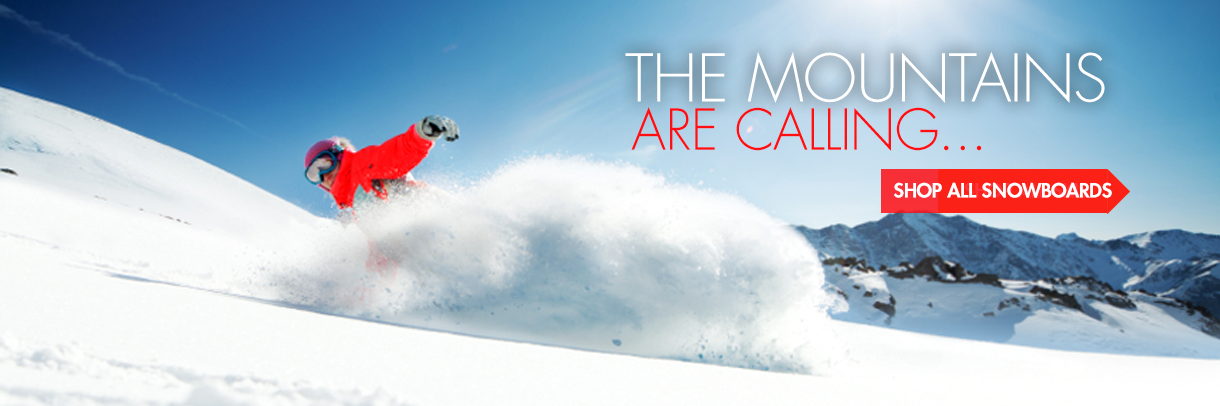
Over the past 15 months, the team at RAMP has tested over 150 pair of prototype and test skis, and another 75 snowboards. It’s tough work, but somebody has to do it! It all began with the evaluation of specific factories to see which one provided the best potential for a massive product development project, great production facilities and value. When we tested products and looked around, the clear winner was the Playmaker Factory.
The next step was writing design briefs for the products to be developed. In a brief, the key is to look forward and identify trends in shapes such as early rise, reverse sidecut, widths and flexes. If these trends that are just coming are correctly identified, great things can happen. Next is to identify the characteristics the ski or board needs to have and what snow surface is it made for, ie: it will be used 80% of the time in soft snow and crud with the best possible performance in those conditions with a catch free tip, but a very strong tail and new Razor cut sidecut for much better performance when the rider is on hard snow. Next: who is the target user? What is the speed range it is designed to operate at? What is the target price?
With the design brief the engineer creates the tooling for the molds and core profiles taking into account the materials that will be used in the construction. For instance, we use Poplar, which is a more expensive wood that has better characteristics as far as energy and durability. It has a different value than a more common wood like Aspen when calculating flex. The engineer would develop 4 core profiles, which each produce a different flex. We then test these 4 flexes on snow with our team and determine best binding position for skis and which ski or board has the best performance along with what is needed to get it closer to the perfect model we are looking for. On the 100mm ski for instance, we went through this process five times to get the first size totally perfect. The next sizes went much more quickly. It was an incredibly huge project with testing going on every month for the past 15 months.
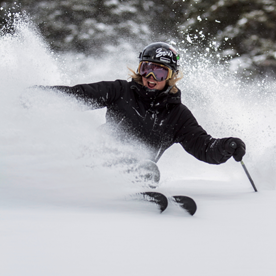
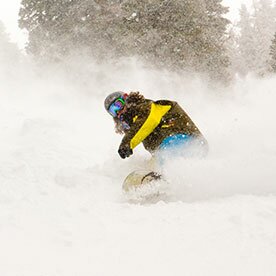
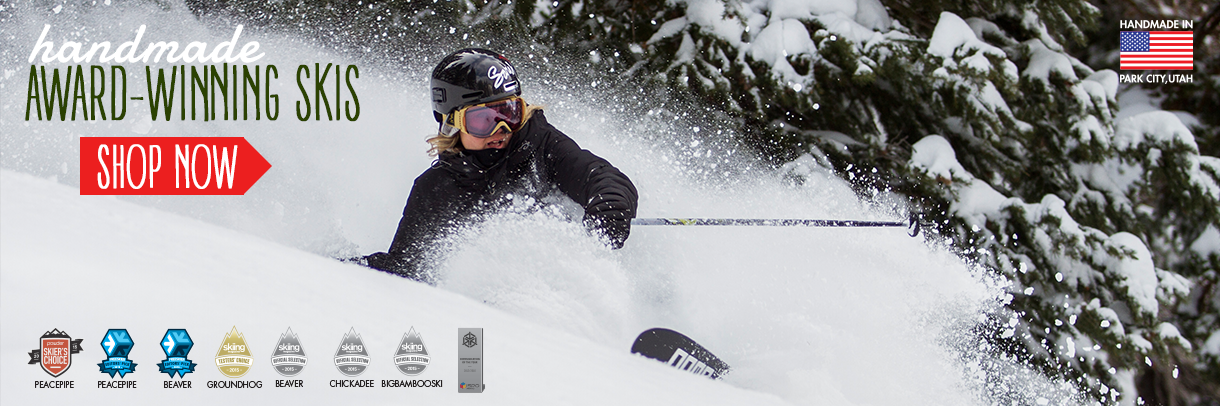
In testing, one of the first things people have to learn is to forget what you like and put yourself into the mind of the target user. This can be tough for some riders as they know what they love and that’s it. As you get more experienced with testing, you not only learn to be a lot more sensitive to what the ski or board is doing and how that would affect the rider, but also to things like the tune, the conditions and how they are affecting the results, etc. We were at Snowbird many days in May and June- some days were perfect for testing and on some others by mid-day we had heavy, soft, peel-away snow and the testing wasn’t conclusive. On those days, forget about it and go home (even though we may have still had a lot of fun). One of our biggest powder days of the year was May 1! Great day for the Peacepipes and the Tumbleweed Board.
When I think back on the number of skis and snowboards we tuned, the amount of binding mounting and un-mounting all the travel and shipping.. whew! The great news is now the product rocks and we all get to have a blast riding it.
Kilch
President and CESnow
Next week I’ll write about what led to RAMP